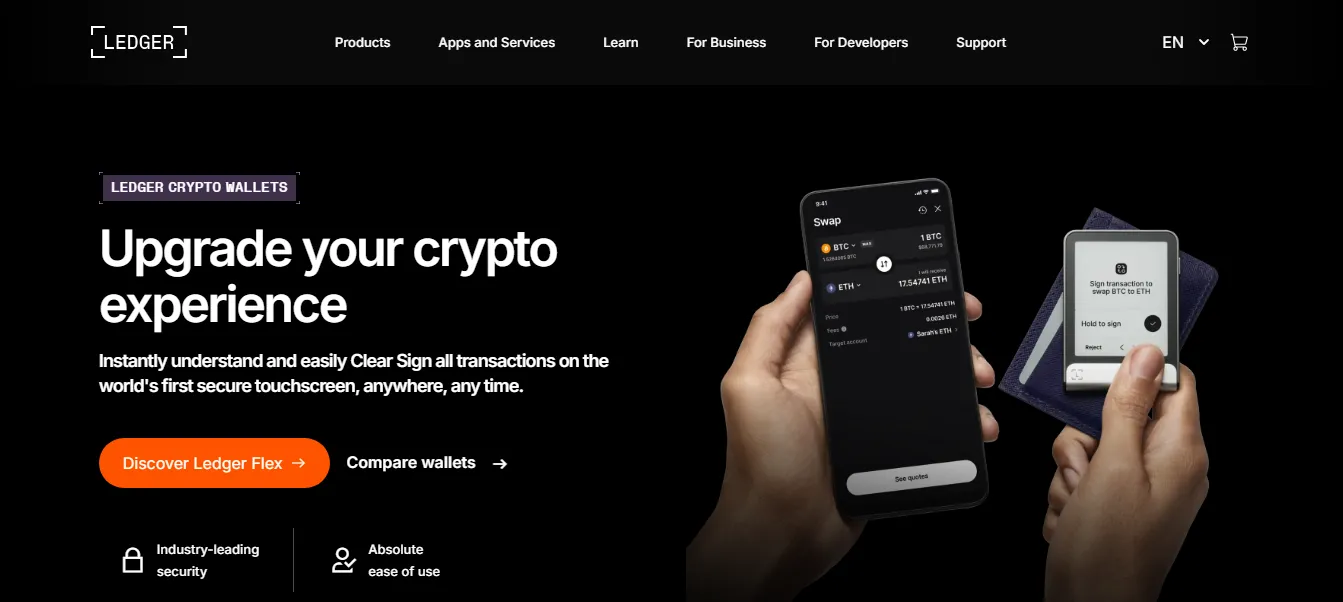
As cryptocurrency adoption continues to grow, protecting digital assets has become more important than ever. Ledger hardware wallets are designed to give users full control over their crypto by keeping private keys offline and away from potential online threats. If you’re visiting Ledger.com/start, you’re likely beginning the process of setting up your Ledger device and taking a major step toward stronger crypto security.
This guide explains what Ledger hardware wallets are, how to get started, and why proper setup and safe practices matter for long-term protection.
A Ledger hardware wallet is a physical device that stores your private keys in a secure, offline environment. Unlike software wallets or exchange wallets, Ledger devices are not constantly connected to the internet. This significantly reduces the risk of hacking, phishing attacks, and malware.
Ledger wallets support thousands of cryptocurrencies, including Bitcoin, Ethereum, and many popular altcoins. The device works alongside Ledger Live, an official application that allows users to manage assets, install apps, send and receive crypto, and monitor balances securely.
Ledger.com/start is the official onboarding page designed to help users safely set up their devices. Starting here ensures that:
Using unofficial guides or third-party software can expose you to scams or fake apps, which is why Ledger strongly recommends beginning with the official setup process.
When setting up your Ledger wallet, you’ll be guided through several important steps:
1. Download Ledger Live
Ledger Live is the companion app used to manage your wallet. It’s available for desktop and mobile platforms. Always download it directly from the official Ledger website to avoid counterfeit versions.
2. Connect Your Ledger Device
Once Ledger Live is installed, connect your hardware wallet to your computer or smartphone using the provided cable. Follow the on-screen instructions to begin initialization.
3. Create a New Wallet
During setup, the device will generate a new wallet and private keys. These keys never leave the device, which is essential for security.
4. Write Down the Recovery Phrase
You’ll receive a 24-word recovery phrase. This phrase is the only backup of your wallet and must be written down on paper and stored securely offline. Never take photos of it or store it digitally.
5. Confirm the Recovery Phrase
Ledger will ask you to confirm the recovery phrase to ensure it was written correctly. This step protects against mistakes that could result in lost funds later.
The recovery phrase is the most critical part of your wallet. Anyone with access to it can control your assets, and if you lose it, there is no way to recover your funds.
Important rules to remember:
Many users choose fireproof safes or metal backup plates for long-term durability.
After setup, Ledger Live allows you to:
Every transaction must be physically approved on the Ledger device, adding an extra layer of protection against unauthorized access.
Even with a hardware wallet, user awareness is essential. Common scams include fake emails, phishing websites, and fraudulent support messages pretending to be Ledger.
To stay safe:
Ledger wallets are designed so that your funds remain safe as long as your recovery phrase is protected.
Starting at Ledger.com/start is the safest way to begin your crypto security journey. A Ledger hardware wallet gives you true ownership of your digital assets by keeping private keys offline and under your control. With proper setup, secure storage of your recovery phrase, and careful online habits, you can confidently manage your crypto for years to come.
Taking the time to follow each step carefully now can prevent serious problems later—and ensures your assets remain protected in an increasingly digital financial world.